Best Rice Cooker Under $50: Top Budget Picks
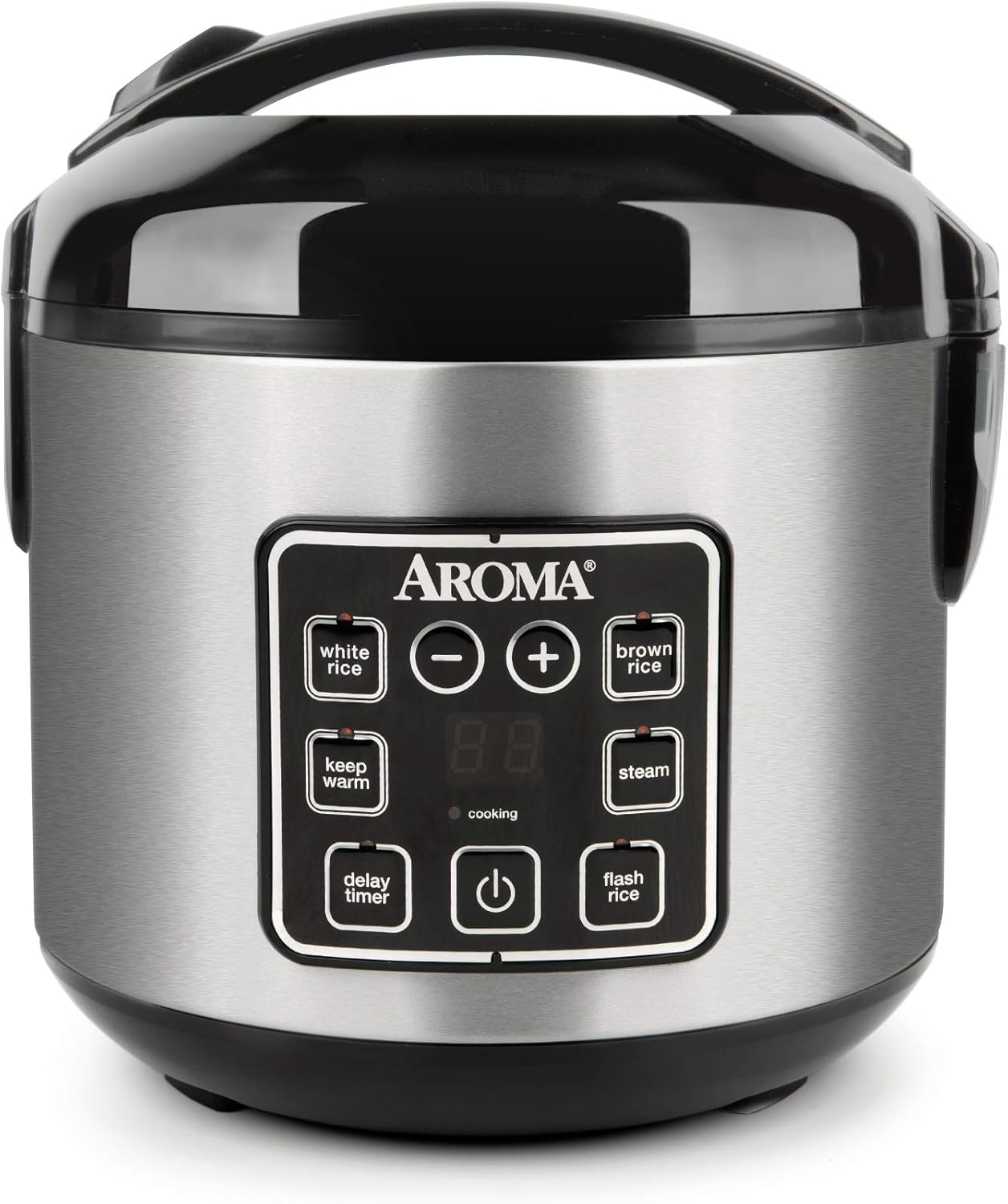
"You do not need to spend $200 for great rice. The Aroma ARC-914SBD is our top pick under $50, digital controls, delay timer, and steaming for just $40."
You Don’t Need $200 for Great Rice

Let’s get the elephant out of the room: you absolutely do not need a Zojirushi to make great rice. Yes, the premium Japanese brands are phenomenal; but if your budget is under $50, there are excellent cookers that’ll serve you well for years.
I’ve tested every sub-$50 rice cooker I could find. Here are the ones that actually earned a spot on this list.
Our Top Picks
🥇 #1: Aroma ARC-914SBD: Best Overall Under $50
Price: ~$40 | Rating: 4.2/5 | Full Review →
The undisputed budget champion. The ARC-914SBD gives you digital controls, a delay timer, and a steaming basket; features you normally don’t see under $80. The “Flash Rice” mode cooks 3 cups in just 18 minutes when you’re in a rush.
| Strength | Detail |
|---|---|
| Cook quality | 8/10 for white rice |
| Best feature | 15-hour delay timer |
| Capacity | 8 cups cooked (4 uncooked) |
| Looks | Brushed stainless steel, surprisingly premium |
Who it’s for: Anyone who wants the most features for the least money. College students, first apartments, and once-a-week rice eaters.
🥈 #2: Aroma 6-Cup: Simplest Budget Option
Price: ~$30 | Rating: 4.0/5 | Full Review →
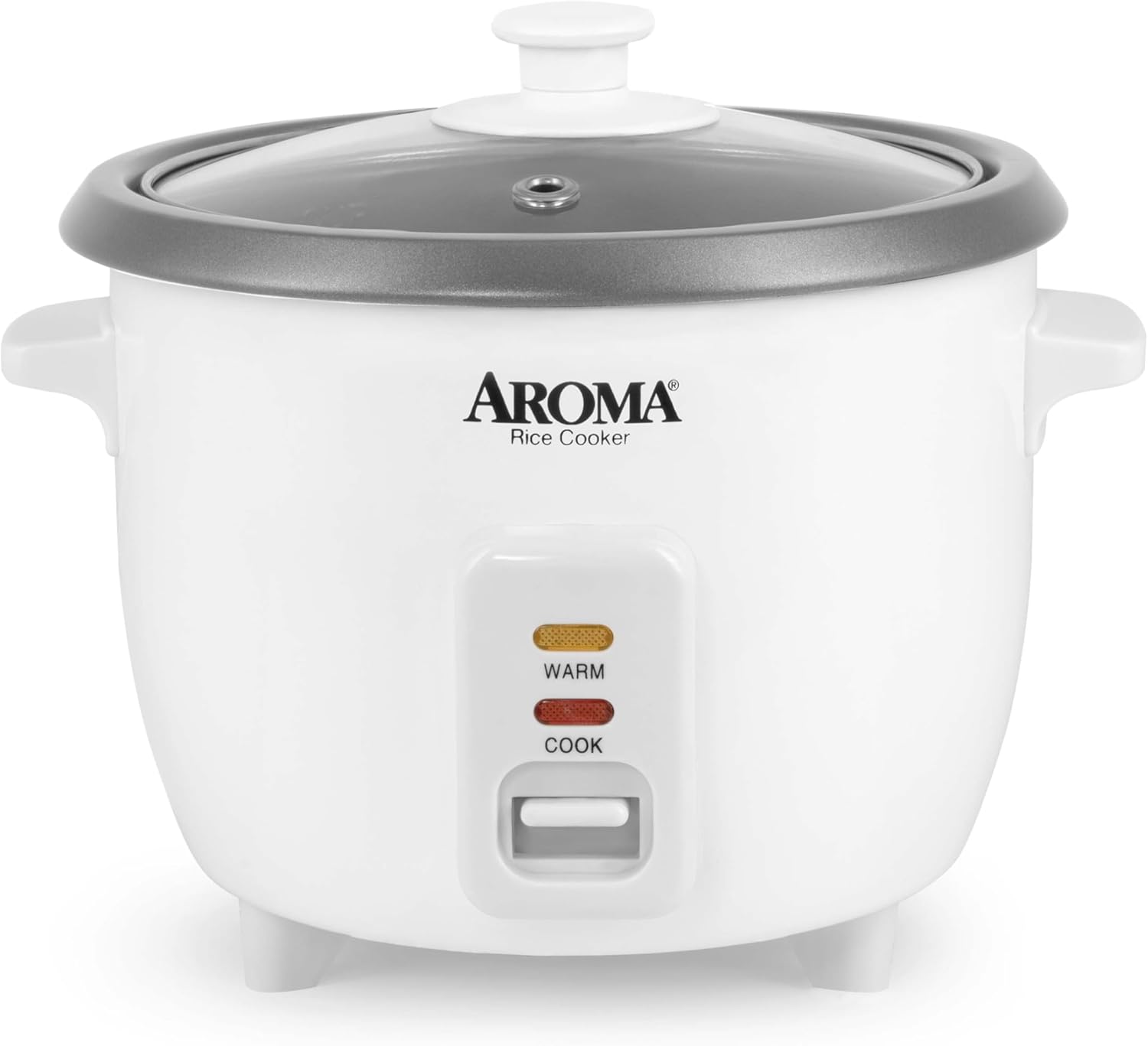
If you want dead-simple operation; literally one button; the Aroma 6-Cup is your cooker. No menus, no timers, no decisions. Push the button, walk away, eat rice.
| Strength | Detail |
|---|---|
| Cook quality | 7.5/10 for white rice |
| Best feature | One-button simplicity |
| Capacity | 6 cups cooked (3 uncooked) |
| Ideal for | People who hate complicated appliances |
Trade-off: No delay timer, no brown rice mode, no digital display. It’s a one-trick pony; but that one trick is solid.
🥉 #3: Dash Hello Kitty: Best Gift Under $50
Price: ~$35 | Rating: 4.0/5 | Full Review →
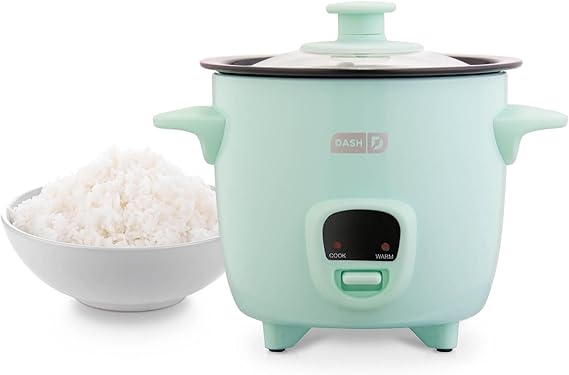
A genuinely cute cooker that actually works. The Hello Kitty branding makes it an irresistible gift, but underneath the kawaii exterior is a competent 2-cup cooker perfect for single servings.
| Strength | Detail |
|---|---|
| Cook quality | 7/10 |
| Best feature | Adorable, giftable design |
| Capacity | 2 cups cooked (1 uncooked) |
| Ideal for | Solo eaters, dorm rooms, gifts |
Honorable Mention: Bear Mini Rice Cooker
Price: ~$40 | Full Review →
A genuine 2-cup mini cooker with surprisingly advanced features for its size. Great for one person, with a porridge mode that basic cookers lack.
Under-$50 Comparison Table
| Model | Price | Capacity | Digital | Timer | Steam | Rating |
|---|---|---|---|---|---|---|
| Aroma ARC-914SBD | $40 | 4 cups | ||||
| Aroma 6-Cup | $30 | 3 cups | ||||
| Dash Hello Kitty | $35 | 1 cup | ||||
| Bear Mini | $40 | 2 cups |
When to Spend More
The under-$50 category has one clear limitation: no fuzzy logic. These cookers use either basic thermostats or simple digital programs. For 90% of white rice cooking, that’s perfectly fine.
But if you eat brown rice regularly, make sushi at home, or want a cooker that lasts 10+ years, consider stepping up to a Tiger JBV ($85); the entry point for real fuzzy logic. Our Best Rice Cookers covers the full spectrum.
Buyer’s Checklist: What to Prioritize for Under $50
When shopping at this price point, not every feature matters equally. Here’s what to prioritize (and what to skip):
| Priority | Feature | Why |
|---|---|---|
| Must-have | Digital controls | Significantly better than one-button at this price |
| Must-have | Auto Keep Warm | Prevents cold rice if you’re late to dinner |
| High value | Delay timer | Huge convenience for busy schedules |
| Nice to have | Steaming basket | Adds versatility for complete meals |
| Skip | Multiple grain presets | At this tier, presets are mostly cosmetic, the heating algorithm barely differs |
| Skip | Fancy LED display | Adds cost without improving rice quality |
The delay timer alone justifies spending $35-40 vs $25. Being able to set rice before work and come home to perfect, warm rice is genuinely life-changing for busy people.
How We Chose
Every cooker on this list went through our standard testing protocol:
- White rice benchmark: 2 cups of standard long-grain, measured water ratio, evaluate texture and consistency
- Brown rice attempt: Same process, noting how the cooker handles the longer cook time
- Max capacity test: Fill to maximum and check for uneven cooking or overflow
- Keep Warm endurance: Leave on Warm for 4 hours and check for drying or crust formation
- Cleaning difficulty: How easily does stuck rice come off?
All scores reflect averaged results across 3+ cooking sessions with the same rice brand (Calrose medium-grain for standardization).
Maintenance Expectations at This Price
Budget cookers require slightly more maintenance awareness than premium models because their components are thinner:
Inner pot: Expect the non-stick coating to last 2-3 years with careful use (silicone/wooden utensils only). Replacement pots run $10-15 and are widely available on Amazon.
Heating plate: Clean every 2 weeks with a damp cloth. Starch residue on the plate is the #1 cause of burning smell in budget cookers.
Steam vent: The small hole in the lid where steam escapes can clog with starch. Rinse after every use; a blocked vent causes pressure buildup and overflow.
Overall lifespan: Budget cookers typically last 3-5 years, compared to 8-12 years for mid-range and 10-15 for premium. At $30-40, this is acceptable; the cost-per-year is comparable to expensive models.
Common Mistakes with Budget Cookers

These are the most frequent complaints we see about budget rice cookers; and almost all of them are user error, not product defects:
- Not rinsing rice: Surface starch causes overflow and gummy texture. Rinse 3-4 times until water is mostly clear
- Using wrong measuring cup: Rice cooker cups (~180ml) are NOT standard US cups (240ml). Using a US cup with the cooker’s water lines adds ~30% too much water
- Opening the lid during cooking: Every peek releases steam and disrupts the cook cycle. Set it and forget it
- Using metal utensils, The thin non-stick coating on budget cookers scratches easily. A $5 silicone paddle is essential
- Skipping the rest period, Let rice sit on Keep Warm for 10 minutes after cooking clicks off. This lets the starch set and grains firm up
More Budget Resources:
- Best Rice Cooker Under $100 →
- Rice Cooker vs Instant Pot →
- Water Ratio Guide →
- How to Clean Your Rice Cooker →
We evaluate kitchen products and recipes independently. To learn more about our editorial standards, read our Editorial Policy.
✅ Pros
- Digital cookers available for under $40
- Several models include steaming capability
- Excellent for daily white rice cooking
- Perfect for college students and small households
❌ Cons
- No true fuzzy logic at this price, only digital micom
- Inner pots are thinner than premium brands
- Limited brown rice performance
- Shorter lifespan (3-5 years vs 10+ for premium)
Frequently Asked Questions
What's the best rice cooker under $50?
The Aroma ARC-914SBD ($40) is the clear winner. It offers digital controls, a delay timer, steaming basket, and Flash Rice mode, features usually found in $80+ cookers.
Are cheap rice cookers worth it?
Absolutely. A $30-50 digital rice cooker produces significantly better rice than stovetop cooking and eliminates guesswork. The quality difference vs $200 cookers is smaller than you'd think.
What features should I look for in a budget rice cooker?
Prioritize: 1) Digital controls over one-button, 2) Delay timer for convenience, 3) Steaming basket for versatility, 4) Non-stick inner pot for easy cleaning.
🍚 You Might Also Like
Aroma ARC-914SBD Review: The Budget King
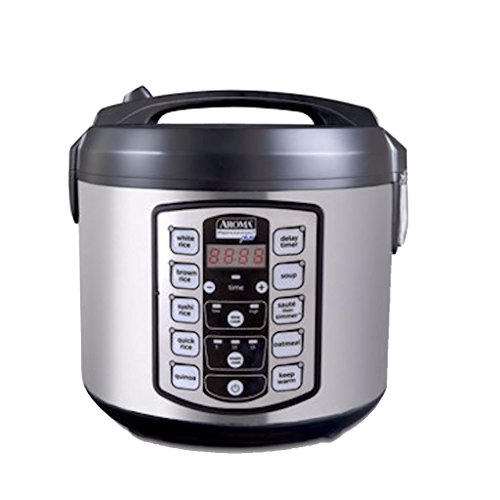
The cheapest digital Aroma this desk still shortlists. Flash Rice and a 15-hour timer are the reasons to leave a one-button pot. It is not fuzzy logic, and it is not a stainless insert. Buy it for weeknight white rice; step up if you want the chip.
Aroma 6-Cup Rice Cooker Review: The Best Budget Pick?
A reliable budget pick that handles white rice well. Great for small households who want simplicity without sacrificing quality.
Dash Mini Rice Cooker Review: Is The Viral Tiny Cooker Worth It?
The ultimate dorm-room appliance. For $25, it cooks decent white rice for one person. Don't expect fuzzy logic, but do expect convenience.
Ready to Upgrade Your Rice Game?
The Aroma ARC-914SBD is waiting for you. Perfect rice, every time.