Best Rice Cooker Under $100: Mid-Range Champions
"The $50-100 range is where rice cookers get serious. Fuzzy logic, programmable timers, and synchro-cooking become available. The Tiger JBV is our top pick."
The Sweet Spot of Rice Cooking

The $50-100 range is where rice cookers transform from “glorified boiling pots” into intelligent kitchen tools. This is the tier where fuzzy logic enters the picture; and it changes everything.
At this price, your cooker doesn’t just boil water and wait. It thinks. It monitors temperature, adjusts heat delivery, and adapts to how much rice you loaded. The result: consistent, restaurant-quality rice every single time.
Our Top Picks
🥇 #1: Tiger JBV-A10U: Best Under $100
Price: ~$85 | Rating: 4.6/5 | Full Review →
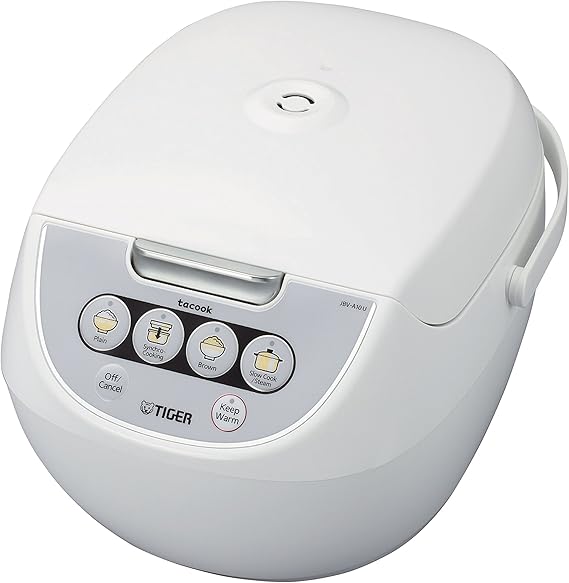
The Tiger JBV is the Toyota Camry of rice cookers; reliable, efficient, and an absolute value champion. It uses genuine MICOM fuzzy logic and adds the killer “tacook” synchro-cooking plate for cooking complete meals with one button.
| Strength | Detail |
|---|---|
| White rice | 9/10, fluffy, consistent |
| Brown rice | 7/10, good for non-pressure |
| Best feature | Synchro-cooking (meal + rice together) |
| Capacity | 5.5 cups uncooked |
| Lifespan | 8-12 years |
Why it wins: No other cooker under $100 gives you fuzzy logic AND simultaneous meal cooking. Students and busy parents, this is your machine.
🥈 #2: Yum Asia Sakura: Best for Variety
Price: ~$90 | Rating: 4.5/5 | Full Review →
The Sakura is a dark horse. This UK-designed, Asian-manufactured cooker offers 7 cooking functions including a dedicated sushi rice mode; rare at this price. The ceramic-coated inner pot is a premium touch.
| Strength | Detail |
|---|---|
| White rice | 8.5/10 |
| Sushi rice | 8/10, dedicated mode |
| Best feature | 7 cooking functions + ceramic pot |
| Capacity | 4 cups uncooked |
| Lifespan | 6-8 years |
🥉 #3: Hamilton Beach 37518: Best Value
Price: ~$45 | Rating: 4.0/5 | Full Review →
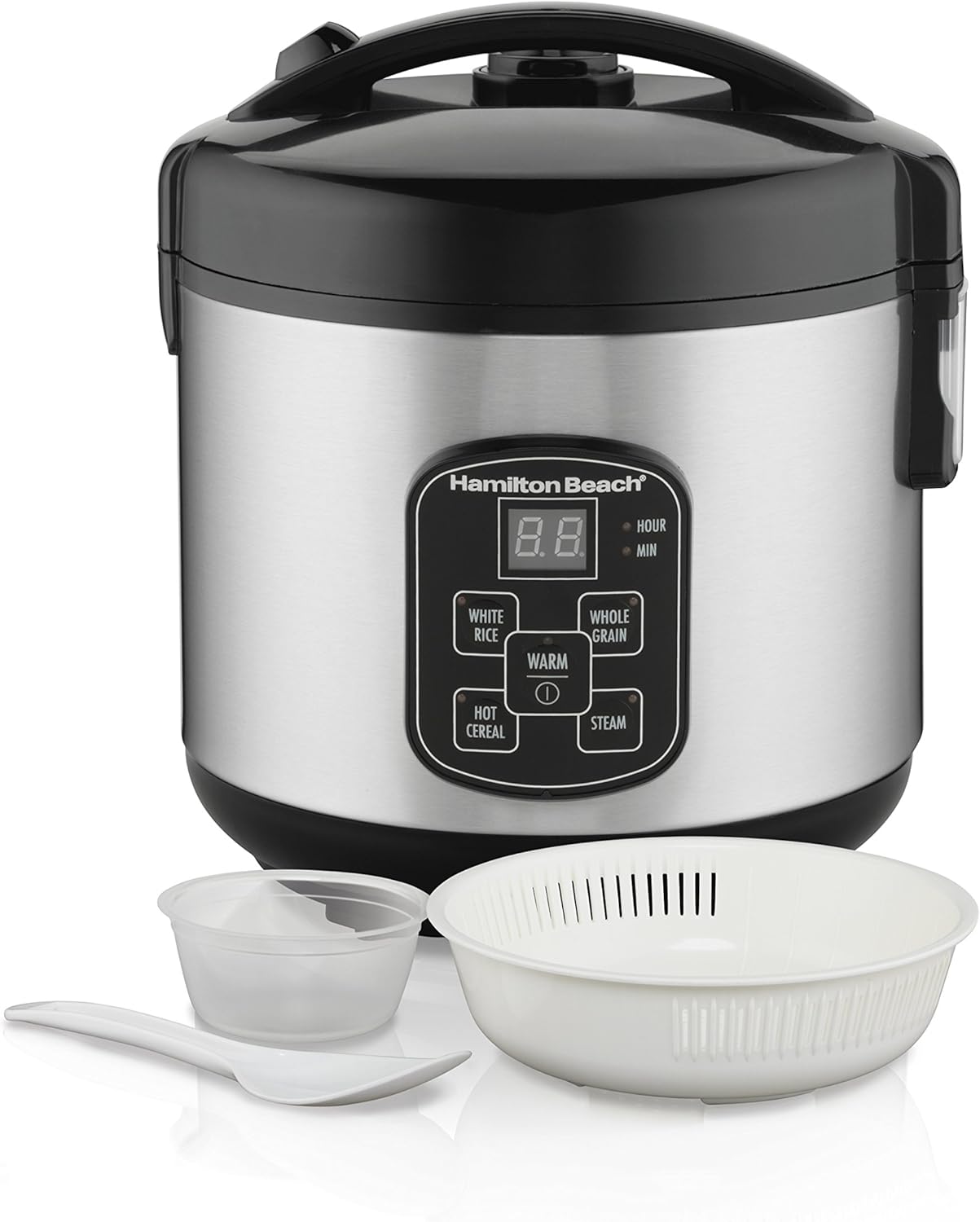
If you want decent performance at the lowest possible price in this tier, Hamilton Beach delivers. It’s a straightforward digital cooker with a steaming basket. No fuzzy logic, but reliable and well-built for a US brand.
Honorable Mention: Instant Pot Zest
Price: ~$50 | Full Review →
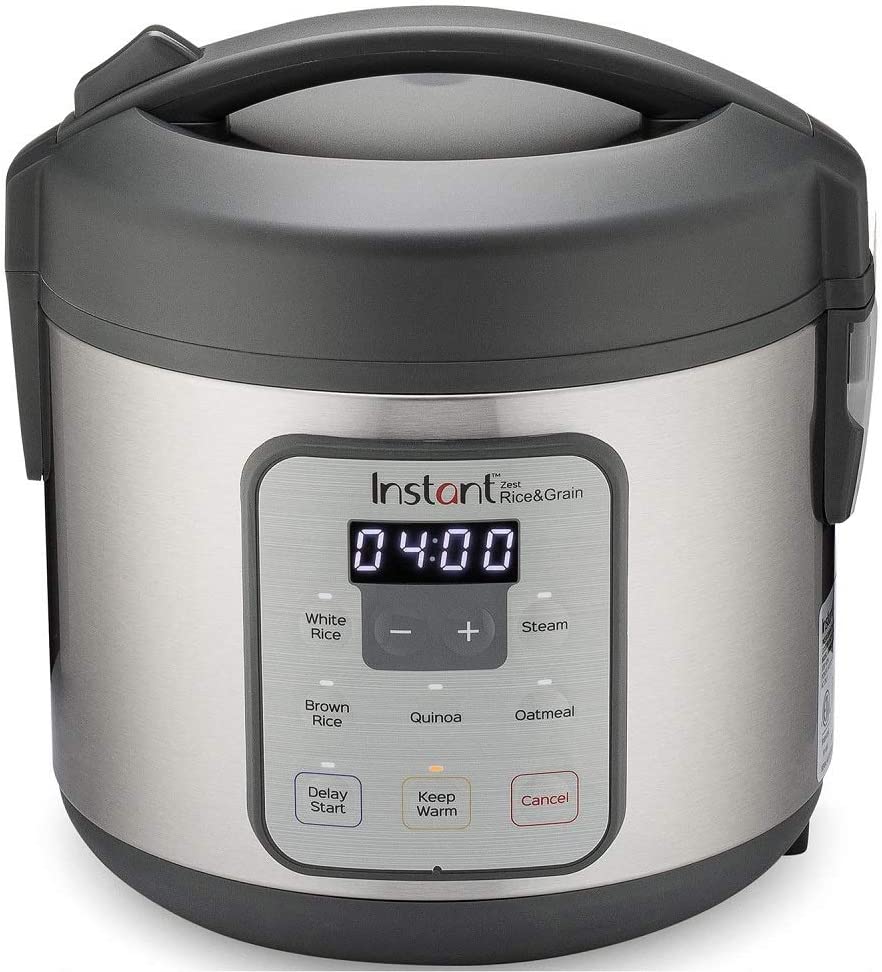
The Zest is Instant Pot’s dedicated rice cooker. Good brand backing and solid performance for white rice, but lacks the fuzzy logic of the Tiger JBV.
Under-$100 Comparison Table
| Model | Price | Tech | Capacity | Sushi Mode | Synchro | Rating |
|---|---|---|---|---|---|---|
| Tiger JBV | $85 | Fuzzy Logic | 5.5 cups | |||
| Yum Asia Sakura | $90 | Fuzzy Logic | 4 cups | |||
| Hamilton Beach | $45 | Digital | 5 cups | |||
| Instant Pot Zest | $50 | Digital | 4 cups |
Budget ($50) vs Mid-Range ($100) vs Premium ($200)
| Feature | Under $50 | Under $100 | Premium ($150+) |
|---|---|---|---|
| Fuzzy Logic | (Neuro Fuzzy) | ||
| Brown Rice | Poor | Good | Excellent |
| Sushi Rice | Poor | Decent | Excellent |
| Keep-Warm | 4 hrs | 8+ hrs | 12+ hrs |
| Menu Options | 1-3 | 4-7 | 10+ |
| Lifespan | 3-5 yrs | 8-10 yrs | 10-15 yrs |
| Best for | Occasional use | Daily use | Rice enthusiasts |
Looking for something cheaper? See our Best Under $50 roundup. Ready to go premium? Check our Zojirushi vs Tiger comparison.
What Fuzzy Logic Means at This Price
The key difference between a $50 cooker and a $100 cooker isn’t the materials or the brand name; it’s fuzzy logic. At $85-100, you get a microcomputer (MICOM) chip that monitors temperature and adjusts heating in real time. This radically improves:
- Brown rice performance: Fuzzy logic extends the soaking phase automatically, softening the bran layer before bringing the rice to a boil. Basic cookers skip this entirely, leading to firm, chewy brown rice
- Consistency at any volume: Whether you cook 1 cup or 5 cups, the algorithm adjusts. Basic cookers use the same heat curve regardless, causing overcooked small batches and undercooked large ones
- Keep Warm quality: Fuzzy logic models periodically cycle heat to prevent the drying and crusting that happens on basic cookers after 2-3 hours on Warm
- Soak-before-cook: Some models automatically soak rice for 10-15 minutes before heating, which dramatically improves texture and water absorption
For deeper understanding of this technology, see our Fuzzy Logic Explained guide.
What to Look for in This Price Range
Not all $50-100 cookers are created equal. Some budget models at $80 are just overpriced basic cookers, while some $85 models are genuine fuzzy logic units. Here’s the checklist:
| Criteria | Must-Have | Nice-to-Have |
|---|---|---|
| MICOM / Fuzzy Logic chip | ; this is the whole point of this tier | ; |
| 4+ menu presets | ; White, Brown, Mixed, Porridge | Sushi, Quick Cook |
| Timer / Delay Start | ; | |
| Keep Warm 8+ hours | Extended Warm (24h) | |
| Inner pot material | Thick non-stick (2mm+) | Ceramic-coated |
| Synchro-cooking | ; | Huge value-add (Tiger) |
Red flag: If a cooker at $80+ doesn’t explicitly say “fuzzy logic” or “MICOM” on the box or product page, it’s likely just a digital cooker with a timer; not the same thing.
Daily Use Tips for Mid-Range Cookers

Once you upgrade from a basic cooker, these habits will help you get the most from your investment:
- Use the right preset: Don’t cook brown rice on White Rice mode. The preset determines soak time, ramp speed, and resting phase. Using the wrong one wastes the fuzzy logic advantage
- Let it soak: Many mid-range cookers soak automatically, but if yours doesn’t, let rice sit in water for 20-30 minutes before pressing start. The difference in texture is noticeable
- Experiment with water: Fuzzy logic cookers are more forgiving, but they still follow the water ratio you set. Start with the recommended ratio and adjust by 1 tablespoon per cup until you find your perfect texture
- Don’t skip the rest: Even with fuzzy logic, the 10-minute rest period after cooking is essential. The algorithm accounts for this phase
- Clean the sensor: The temperature sensor (usually a small button on the bottom of the heating plate) must stay clean. Starch buildup here causes the cooker to mis-read temperatures, resulting in undercooked or overcooked rice
Maintenance Expectations
At the $85-100 price point, you get significantly better build quality than budget cookers:
| Component | Expected Life | Maintenance |
|---|---|---|
| Inner pot coating | 4-6 years | Silicone utensils only |
| Heating element | 10+ years | Wipe monthly |
| Electronics/MICOM | 8-12 years | No maintenance needed |
| Lid gasket | 3-5 years | Wipe after each use |
| Overall unit | 8-10 years | Deep clean quarterly |
The inner pot is the most common replacement item. Budget for a $20-30 replacement pot every 4-5 years. Most brands sell direct replacements through Amazon.
Related Reading:
- Best Rice Cooker Under $50 →
- Best Rice Cookers →
- Fuzzy Logic Explained →
- How to Clean Your Rice Cooker →
We evaluate kitchen products and recipes independently. To learn more about our editorial standards, read our Editorial Policy.
✅ Pros
- True fuzzy logic available at $85
- Major jump in brown rice and mixed grain quality
- Synchro-cooking enables complete one-pot meals
- 8-10 year lifespan at this tier
❌ Cons
- No induction heating at this price
- No pressure cooking
- Sushi rice still not as good as $150+ models
- Fewer menu presets than premium cookers
Frequently Asked Questions
What's the best rice cooker under $100?
The Tiger JBV-A10U ($85) is the best value. It's a genuine fuzzy logic (MICOM) cooker with synchro-cooking, the best feature-to-price ratio in rice cookers.
Is a $100 rice cooker better than a $30 one?
Significantly. You get fuzzy logic (adaptive cooking), better keep-warm, brown rice capability, and a thicker inner pot that lasts 3x longer.
Should I buy a $100 rice cooker or save for Zojirushi?
If you eat rice 5+ times/week and value sushi rice quality, save for Zojirushi ($190). For everyone else, the Tiger JBV at $85 delivers 85% of the performance.
🍚 You Might Also Like
TIGER JBV-A10U Review: 5.5-Cup Micom With Synchro-Cooking
A reliable daily driver that just works. Highly recommended for students and small families.
Hamilton Beach 37518 Review: 20-Cup Digital for Families
The Hamilton Beach 37518 (Digital Simplicity) is the definition of 'bang for your buck.' It's not a fuzzy logic genius, but for under $50, you get a massive 20-cup capacity, a surprisingly good steamer basket, and reliable results for large families.
Instant Pot Zest Rice Cooker Review: A Versatile Giant
The Instant Pot Zest is a 20-cup-cooked digital rice cooker, not a pressure Duo. Buy it for family batches and named grain keys. Skip it if you wanted fuzzy logic, a Duo listing, or the Zest Plus 13-program board.
Ready to Upgrade Your Rice Game?
The Tiger JBV-A10U is waiting for you. Perfect rice, every time.