
Best Rice Cooker for Multigrain and Mixed Grains
"For multigrain cooking, pressure IH cookers like the Cuckoo CRP-ST1009FG deliver the best results because pressure forces moisture through dense grains evenly. The Zojirushi NS-ZCC10 is the best non-pressure alternative."

Why Multigrain Cooking Is Hard for Regular Rice Cookers
Multigrain rice blends, japgokbap, quinoa-rice mixes, brown rice with barley, millet bowls, are increasingly popular for their nutritional benefits. But cooking them well is one of the hardest things you can ask a rice cooker to do.
The problem is simple: different grains cook at different rates. White rice needs about 20 minutes. Brown rice needs 40-50 minutes. Barley needs 30-35 minutes. Millet needs 15-20 minutes. Dried beans need an hour or more. Throw them all in a pot together and something will be overcooked while something else is still crunchy.
Standard rice cookers use a single heating program that works fine for one grain type but can’t accommodate the diverse needs of a multigrain blend. Fuzzy logic helps by adjusting heat dynamically, but the real solution for multigrain cooking is either pressure or advanced computing, ideally both.
TL;DR: For multigrain and mixed grain cooking, pressure IH cookers deliver the best results because pressurized cooking forces moisture through all grain types simultaneously, solving the uneven-cooking problem. The Cuckoo CRP-ST1009FG ($280) is our top pick. The Zojirushi NS-ZCC10 ($160) is the best non-pressure option with its Neuro Fuzzy multigrain preset. Budget cooks can get acceptable results by pre-soaking dense grains before using any fuzzy logic cooker.

Our Top Picks
1. Cuckoo CRP-ST1009FG, Best Overall for Multigrain
The Cuckoo CRP-ST1009FG is a twin pressure IH rice cooker with a dedicated multigrain preset that handles japgokbap and complex grain blends better than any non-pressure alternative.
Pressure cooking is the key advantage here. When the sealed chamber pressurizes during cooking, the boiling point of water rises above 212°F. This higher temperature forces moisture into dense grain structures, brown rice bran layers, barley hulls, dried bean skins, more aggressively than atmospheric cooking. The result is evenly cooked grains where everything finishes at the same time.
The Cuckoo’s multigrain mode automatically extends the soak phase, ramps pressure gradually, and adjusts cooking time based on the volume of grain detected. It handles brown rice + millet + barley blends with the same consistency as plain white rice. That’s remarkable.
The IH (induction heating) system ensures even heat distribution from all directions, eliminating the hot spots that cause some grains to overcook at the bottom while others undercook at the top.
Best for: Korean-style japgokbap, complex grain blends with beans, families who eat multigrain rice daily.
2. Zojirushi NP-NWC10, Best Japanese IH for Mixed Grains
The Zojirushi NP-NWC10 combines induction heating with pressure cooking and Zojirushi’s advanced computing. Its “Mixed” preset is designed specifically for grain blends, adjusting soak time and cooking curves for optimal texture across different grain types.
At $300+, it’s the most expensive option on this list, but Zojirushi’s build quality and 10+ year lifespan make the per-year cost comparable to mid-range alternatives. The IH pressure system produces rice with a distinctive chewy, glossy texture that fans of Japanese-style zakkokumai (mixed grain rice) will appreciate.
Best for: Japanese-style mixed grain rice, serious home cooks who also want the best white and brown rice performance.
3. Zojirushi NS-ZCC10, Best Non-Pressure Alternative
The Zojirushi NS-ZCC10 doesn’t have pressure cooking, but its Neuro Fuzzy computing system with a dedicated “Mixed” preset produces surprisingly good multigrain results without pressurization.
The Neuro Fuzzy system compensates for the lack of pressure by extending soak times and adjusting heat curves more aggressively for mixed grains. It’s not as effective as a pressure cooker with dense grains like dried beans or whole barley, but for lighter blends, white rice with quinoa, brown rice with millet, it performs well.
At $160, it’s nearly half the price of the pressure cookers above. If your multigrain cooking doesn’t include hard dried beans or very dense whole grains, the NS-ZCC10 is plenty capable.
Best for: Budget-conscious cooks who want good multigrain performance without paying for pressure cooking technology.
4. Tiger JKT-D10U, Best IH Without Pressure
The Tiger JKT-D10U uses induction heating without pressure, a middle ground between conventional heating and full pressure IH. Its “Mixed” setting extends cooking time and adjusts heat for grain blends, producing more even results than conventional micom cookers.
IH without pressure is enough for most multigrain blends that don’t include dried beans. The even heat distribution from induction cooking ensures the grain bed cooks uniformly from all sides, which helps different grains finish closer together.
Best for: Cooks who want IH quality for multigrain without the complexity or price of pressure cooking.
5. Cosori 10-Cup, Best Budget Multigrain
The Cosori 10-cup is a fuzzy logic cooker with a multigrain setting at under $100. It won’t match the pressure cookers above, but it handles simple blends (white + brown rice, rice + quinoa) at a price that doesn’t require serious investment.
For budget multigrain cooking, the key is pre-soaking dense grains for 30-60 minutes before starting the cook cycle. This partially hydrates harder grains so they finish closer to the softer grains’ timing. The Cosori’s fuzzy logic then manages the cooking process well enough for acceptable results.
Best for: Budget cooks who make multigrain rice occasionally and are willing to pre-soak for better results.
Multigrain Cooking Tips
Pre-soak hard grains
If your cooker doesn’t have a pressure or automatic soak function, soak dense grains (barley, brown rice, dried beans, wild rice) in water for 30-60 minutes before adding softer grains and starting the cook. This head start on hydration helps everything finish evenly.
Adjust water for the blend
Different grain ratios need different water amounts:
| Blend | Water Ratio (water:grain) |
|---|---|
| White rice + quinoa | 1.2:1 |
| White rice + brown rice (50/50) | 1.3:1 |
| White rice + millet + barley | 1.4:1 |
| Japgokbap (full multigrain) | 1.5:1 |
| Brown rice + dried beans | 1.6:1 |
These are starting points, adjust based on your cooker and texture preference. For detailed ratios, see our water ratio chart.
Layer strategically
When cooking without a multigrain preset, place harder grains on the bottom (closer to the heating element) and softer grains on top. The bottom gets more heat and water, which benefits the denser grains. Don’t stir before cooking, let the layers work.
Use the right amount
Multigrain blends expand more than plain white rice during cooking. Fill the pot to 60-70% of capacity, not the maximum line. This ensures even water distribution and steam circulation.
Why Pressure Matters for Multigrain
The physics are straightforward: at normal atmospheric pressure, water boils at 212°F. At the 15 PSI that most pressure rice cookers reach, water boils at approximately 250°F. This extra 38 degrees makes a significant difference in how quickly and thoroughly water penetrates grain structures.
For plain white rice, the difference between atmospheric and pressure cooking is subtle, mostly a slightly chewier, more glutinous texture. For multigrain blends, the difference is dramatic. Pressure cooking equalizes the playing field between fast-cooking and slow-cooking grains by forcing hydration through tough bran layers and seed coats.
This is why Korean homes, where japgokbap is a daily staple, overwhelmingly prefer pressure rice cookers. Cuckoo dominates the Korean market largely because of their pressure cooking technology at accessible prices.
The Bottom Line
Multigrain cooking is one of the few use cases where spending more on a rice cooker produces dramatically better results. A pressure cooker like the Cuckoo CRP-ST1009FG handles complex grain blends effortlessly, while budget cookers require pre-soaking workarounds. If multigrain rice is a regular part of your diet, investing in a pressure-capable cooker saves effort and produces consistently better texture.
For other specialized use cases, see our guides for brown rice, sushi rice, and sticky rice.
✅ Pros
- Twin pressure IH cooking handles dense grains like millet and barley perfectly
- Dedicated multigrain preset with automatic soak extension
- 10-cup capacity suits batch cooking for families
- Voice navigation and smart controls for easy operation
- GABA brown rice mode for sprouted grain cooking
❌ Cons
- Premium price at $280 is steep for a specialized feature
- Large footprint may not suit small kitchens
- Pressure cooking changes rice texture, not everyone prefers it
- Learning curve for the multiple pressure and temperature settings
Frequently Asked Questions
Why do multigrain blends cook unevenly in regular rice cookers?
Different grains have different water absorption rates and cooking times. Millet cooks faster than brown rice. Barley needs more water than white rice. A standard cooker applies the same heat program to everything, so some grains overcook while others undercook. Pressure cookers solve this by forcing water into all grains simultaneously.
What grains can you cook in a rice cooker?
Beyond white and brown rice, most rice cookers can handle quinoa, millet, barley, farro, oats, buckwheat, and mixed grain blends. Pressure cookers handle these better than standard models because the pressure penetrates dense bran layers and hard grain shells more effectively.
What is the best water ratio for multigrain rice?
A good starting point is 1.3:1 water to grain mix (by volume). Adjust based on the specific grains: add more water for brown rice and barley, less for millet and quinoa. Most multigrain-capable cookers have a dedicated preset that adjusts timing and heat automatically.
What is japgokbap?
Japgokbap is a traditional Korean multigrain rice dish made with a mix of white rice, brown rice, sweet rice, millet, beans (usually black beans or kidney beans), and sometimes barley. The mix varies by household and season. It's considered healthier than plain white rice and is a staple in many Korean homes.
Do I need to soak multigrain blends before cooking?
Soaking for 30-60 minutes improves texture for dense grains like brown rice, barley, and dried beans. Some premium cookers (Cuckoo, Zojirushi) include an automatic soak phase in their multigrain preset. If your cooker doesn't have this, manual soaking makes a noticeable difference.
🍚 You Might Also Like
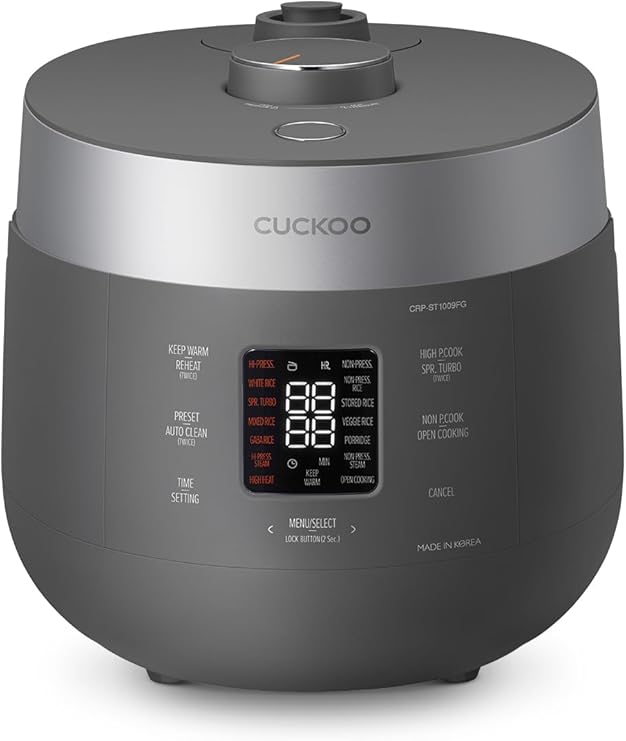
CUCKOO CRP-ST1009FG Review: The Twin Pressure Master
If you want speed AND texture options, this is the one to buy.
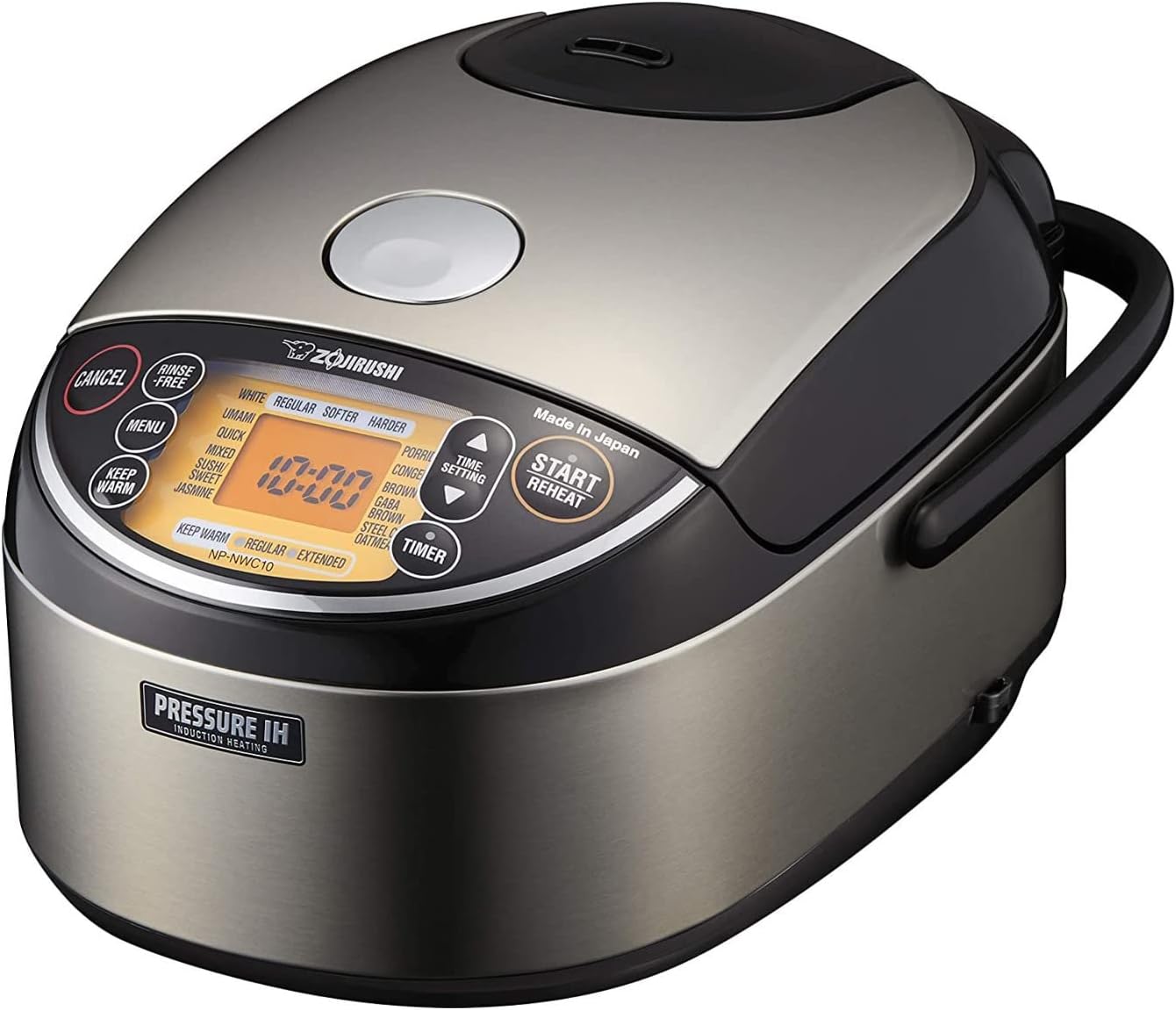
Zojirushi NP-NWC10 Review: The Next-Gen Pressure IH Rice Cooker
Zojirushi's US pressure-IH ceiling. Buy the NP-NWC10 if GABA, Umami, and brown rice under pressure are the reason you left Neuro Fuzzy. Skip it if you will only press White — that is NS-ZCC10 or NP-HCC10 money you do not need to spend.
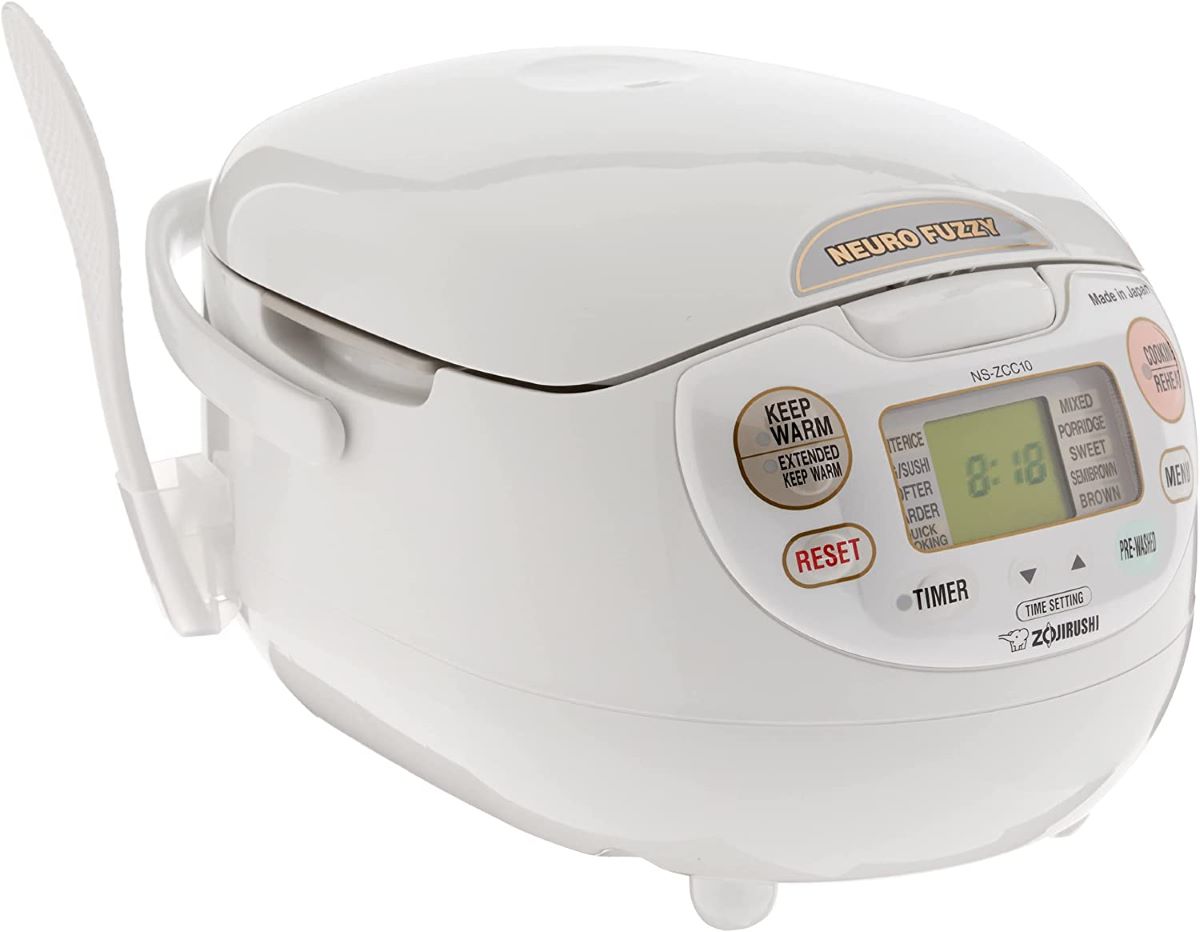
Zojirushi NS-ZCC10 Review: The Neuro Fuzzy Legend
The gold standard of fuzzy logic rice cookers. If your budget allows, this is the one to buy.
Ready to Upgrade Your Rice Game?
The Cuckoo CRP-ST1009FG is waiting for you. Perfect rice, every time.
Buy on Amazon 🍚 🛒