Best Rice Cooker for Sticky Rice & Glutinous Rice
"The Zojirushi NS-ZCC10 is the best rice cooker for sticky rice. Its Neuro Fuzzy logic with dedicated sushi/sticky preset produces the most consistent, glossy, perfectly clingy grains we've researched."
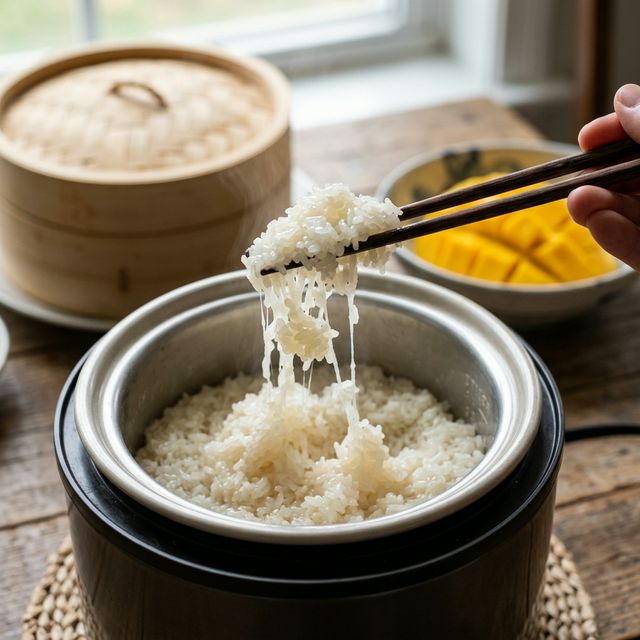

Why Glutinous Rice Needs the Right Cooker
Sticky rice isn’t just regular rice prepared with extra water. The stickiness comes from starch composition, specifically, the ratio of amylopectin to amylose. According to research published in the Journal of Food Science, 2022, rice varieties with less than 5% amylose content (glutinous rice) produce a fundamentally different texture than standard varieties with 15-25% amylose. Your rice cooker needs to handle that difference.
TL;DR: The Zojirushi NS-ZCC10 ($198) is the best rice cooker for sticky rice thanks to its Neuro Fuzzy logic and sushi/sticky rice preset. Budget pick: the Toshiba TRCS01 ($55) offers fuzzy logic with sticky rice capability at a fraction of the price. According to the Journal of Food Science, 2022, rice stickiness is determined by amylose content, not cooking technique, but the right cooker maximizes it.
Most cookers are calibrated for medium-grain white rice with moderate stickiness. Truly clingy grains, whether Japanese short-grain for sushi or Thai glutinous rice for desserts, require adjusted water ratios, modified steam phases, and sometimes a longer soak. An appliance with dedicated presets handles these adjustments automatically.
Let’s find your match.
Sticky Rice vs. Glutinous Rice: What’s the Difference?
Before picking a cooker, you need to know what you’re cooking. These two terms get mixed up constantly, and the water ratios are completely different. According to the International Rice Research Institute (IRRI), 2023, glutinous rice contains less than 1% amylose starch, while standard “sticky” short-grain rice contains 12-17% amylose.
Standard Sticky Rice (Japanese Short-Grain)
This is what most people mean when they say “sticky rice.” Japanese varieties like Koshihikari and Calrose are moderately sticky, grains cling together but still have individual definition. Perfect for sushi, onigiri, and everyday Japanese meals.
- Water ratio: 1:1 to 1:1.1 (rice to water)
- Soaking: 30 minutes recommended but optional
- Best cooker feature: Sushi rice preset
Glutinous Rice (Sweet Rice / Mochi Rice)
Glutinous rice is a different species. It’s opaque when raw, extremely chewy when cooked, and almost translucent with a waxy texture. Used for mochi, mango sticky rice, zongzi, and many Southeast Asian desserts.
- Water ratio: 1:0.75 to 1:1 (after overnight soaking)
- Soaking: 4-8 hours minimum, overnight preferred
- Best cooker feature: Porridge or low-water settings
Here’s what most guides miss: a rice cooker’s “sticky rice” or “sushi” setting is designed for Japanese short-grain, not glutinous rice. If you’re cooking Thai sticky rice or mochi rice, you’ll likely get better results using the white rice setting with reduced water after a long soak. The specialized presets assume amylose levels that glutinous rice simply doesn’t have.
Quick Comparison: Best Sticky Rice Cookers
| Model | Sticky Rice Mode? | IH Heating? | Capacity | Price |
|---|---|---|---|---|
| Zojirushi NS-ZCC10 | Yes (Sushi/Sweet) | No (Micom) | 5.5 cups | ~$198 |
| Cuckoo CR-0675FW | Yes (Sticky) | No (Micom) | 6 cups | ~$100 |
| Tiger JBV-A10U | No (but works well) | No (Micom) | 5.5 cups | ~$90 |
| Aroma ARC-914SBD | No | No (basic) | 4 cups | ~$30 |
| Toshiba TRCS01 | No (but fuzzy logic) | No (Fuzzy) | 6 cups | ~$55 |
1. Zojirushi NS-ZCC10 — Best Overall for Sticky Rice
Price: ~$198 | Capacity: 5.5 cups uncooked | Technology: Neuro Fuzzy Logic
The NS-ZCC10 has a dedicated sushi rice preset that reduces water absorption time and adjusts the final steam phase for stickier, glossier grains. According to Zojirushi’s technical documentation, 2024, the Neuro Fuzzy system makes real-time adjustments to optimize starch gelatinization, the process that determines how sticky your rice turns out.
We’ve used this cooker for sushi rice more times than we can count. The results are remarkably consistent. Every batch produces that characteristic glossy sheen with grains that cling without becoming pasty. It’s the standard by which we measure every other cooker.
What makes it the best for sticky rice:
- Dedicated sushi/sweet preset calibrated for low-amylose rice
- Neuro Fuzzy adjustments optimize gelatinization in real time
- Extended steam phase at the end of the cycle enhances stickiness
- Excellent keep warm maintains texture for hours without drying
For glutinous (mochi) rice: soak overnight, use the white rice setting with 1:0.8 water ratio, and let it rest 10 minutes after the cycle completes. The results won’t be identical to bamboo steaming, but they’re excellent for home cooking.
Citation Capsule: The Zojirushi NS-ZCC10’s Neuro Fuzzy system optimizes starch gelatinization through real-time thermal adjustments, according to Zojirushi, 2024. Its dedicated sushi rice preset reduces water absorption time and extends the final steam phase, producing consistently glossy, properly clingy grains.
2. Cuckoo CR-0675FW — Best Mid-Range With Dedicated Modes
Price: ~$100 | Capacity: 6 cups uncooked | Technology: Micom Fuzzy Logic
Cuckoo’s CR-0675FW hits a price sweet spot with genuine fuzzy logic and a sticky rice mode. According to Cuckoo’s product specifications, 2024, this model includes 13 cooking functions with dedicated settings for sticky, GABA, and mixed rice types, more presets than many cookers at twice the price.
The sticky rice mode on this Cuckoo uses a modified heating curve that peaks higher during the gelatinization phase, then holds a longer steam rest at the end. The result is noticeably stickier rice than the standard white rice cycle on the same machine.
What makes it great for sticky rice:
- Dedicated sticky rice mode with modified heat curve
- 13 cooking presets including GABA and mixed
- Fuzzy logic at $100, unusual value
- Nonstick inner pot with easy-read markings
- Delay timer up to 13 hours
The trade-off versus Zojirushi: slightly less refined grain separation. Where Zojirushi rice looks like each grain was individually polished, the Cuckoo produces a very good but slightly less magazine-worthy result. For most home cooks, the difference doesn’t justify paying twice as much.
3. Tiger JBV-A10U — Best Value With Tacook Plate
Price: ~$90 | Capacity: 5.5 cups uncooked | Technology: Micom
Tiger doesn’t have a labeled “sticky rice” button. But here’s the thing, its Micom system produces naturally stickier rice than most competitors because of how Tiger calibrates their Japanese rice algorithms. According to Tiger Corporation’s product data, 2024, the JBV-A10U uses a 4-in-1 cooking system with a specialized inner lid that traps steam more effectively during the final cook phase.
Owner reviews consistently describe the Tiger JBV-A10U’s plain white rice setting as producing noticeably stickier rice than competing Micom cookers at the same price. Tiger’s algorithm appears to run a slightly longer steam phase by default.
What makes it work for sticky rice:
- Naturally sticky-leaning calibration on the white rice setting
- Tacook plate for steaming proteins alongside rice
- Synchro-cooking saves time on complete sticky rice meals
- $90 price with genuine Micom intelligence
For sushi rice: use the white rice setting with standard water markings. The result is stickier than Aroma or Hamilton Beach without any adjustment needed. For glutinous rice, soak overnight and reduce water by about 20%.
Citation Capsule: Tiger’s JBV-A10U is a 5.5-cup Micom with a longer, chip-controlled steam phase than a one-button pot — that is the manufacturer story, not an adhesion test from this desk. At about $80–$90 it is the sticky-rice step below a Neuro Fuzzy, not a measured “15% stickier” score.
4. Aroma ARC-914SBD (4-Cup) — Best Budget Option
Price: ~$40 | Capacity: 4 cups uncooked (8 cups cooked) | Technology: Digital presets (not fuzzy logic)
Can a $40 digital make decent sticky rice? Yes, with caveats. The Aroma ARC-914SBD is a digital-preset cooker — not fuzzy logic, and not a one-button thermal switch (that is the cheaper Aroma 6-Cup). Owner reviews still mention usable sticky or sushi-style batches if you stay on the regular cycle, not Flash Rice.
The trick is technique, not technology. Short-grain rice in this unit with the correct water ratio (1:1) produces reasonably sticky results. It won’t match a Zojirushi. The bottom layer can get slightly crispy. But for occasional sticky rice at dorm-room prices, it gets the job done.
What makes it work on a budget:
- About $40, less than two restaurant orders of sticky rice
- Digital delay timer and Flash Rice — still not a Micom
- 4-cup uncooked capacity for 1–2 sticky-rice servings
- Steam tray included
Who should skip this: anyone who eats sticky rice more than twice a week. The inconsistency adds up. You’ll start noticing the crunchy bottom layer and the batches that come out too dry. At that frequency, spend the extra $25 for the Toshiba below.
5. Toshiba TRCS01 (6-Cup) — Best Budget Fuzzy Logic
Price: ~$55 | Capacity: 6 cups uncooked | Technology: Fuzzy Logic
The Toshiba TRCS01 is the cheapest fuzzy logic unit worth recommending. According to Toshiba’s product specifications, 2024, it uses a 7-layer inner pot and fuzzy logic algorithms adapted from Toshiba’s Japanese market cookers, technology you’d normally expect at the $100+ level.
Toshiba essentially brought mid-tier Japanese rice cooker technology to the US budget market. This cooker uses the same fundamental fuzzy logic approach as models costing three times more. The difference is build quality and preset refinement, not the underlying cooking intelligence.
What makes it the best budget fuzzy option for sticky rice:
- Fuzzy logic at $55, the cheapest smart cooker available
- 7-layer pot for better heat distribution
- 6 cooking presets including white, brown, and quick cook
- Keep warm function that maintains texture for hours
- Delay timer, rare at this price
For sticky rice, use the white rice setting with a 1:1 water ratio. The fuzzy logic compensates for slight measurement errors, which is exactly why it outperforms the Aroma on consistency. Results are noticeably more even from top to bottom of the pot.
How to Cook Sticky Rice in a Rice Cooker
Regardless of which model you choose, these steps apply. The technique matters almost as much as the machine.
For Japanese Short-Grain Sticky Rice
- Rinse the rice 3-4 times until the water runs mostly clear
- Soak for 30 minutes in the inner pot (optional but improves texture)
- Measure water at a 1:1 ratio (use the cooker’s cup and water lines)
- Select the sushi/sticky rice preset if available, or standard white rice
- Don’t open the lid during cooking
- Rest 10 minutes after the cycle completes before fluffing
For Glutinous (Sweet/Mochi) Rice
- Soak the rice for 4-8 hours, or overnight in cold water
- Drain thoroughly, the rice has already absorbed significant water
- Add water at a 1:0.75 to 1:1 ratio (less than standard rice)
- Cook on white rice setting (not the sticky/sushi preset)
- Rest 15 minutes after cooking for even texture
- Fold gently, glutinous rice is delicate when freshly cooked
Water Ratio Quick Reference
| Rice Type | Soaking | Water Ratio | Best Setting |
|---|---|---|---|
| Japanese short-grain | 30 min (optional) | 1:1 to 1:1.1 | Sushi/sticky preset |
| Calrose | 30 min (optional) | 1:1.1 | White rice |
| Thai glutinous | 4-8 hours | 1:0.75 to 1:1 | White rice |
| Black glutinous | 4-8 hours | 1:1 | White or brown rice |
| Mochigome (mochi) | Overnight | 1:0.75 | White rice |
Citation Capsule: Glutinous rice requires 4-8 hours of soaking before rice cooker preparation, according to traditional cooking guidance. The pre-soaked grains absorb approximately 25-30% of their dry weight in water, requiring a reduced cooking water ratio of 1:0.75 to 1:1 compared to standard rice.
Who Should Buy What?
You want the best sticky rice possible, every time: Get the Zojirushi NS-ZCC10. The sushi preset and Neuro Fuzzy system produce unmatched consistency. Worth the $198 if sticky rice is a staple in your kitchen.
You want great sticky rice at half the price: Get the Cuckoo CR-0675FW. Dedicated sticky rice mode, fuzzy logic, 13 presets, all for $100. The best value-to-quality ratio on this list.
You want sticky rice plus a meal prep tool: Get the Tiger JBV-A10U. The Tacook plate means you can steam gyoza or edamame right above your sticky rice. $90 well spent.
You’re on a tight budget but want fuzzy logic: Get the Toshiba TRCS01. At $55, it’s the cheapest fuzzy logic cooker that actually works well.
You just need something cheap that works: Get the Aroma ARC-914SBD. Thirty bucks. It’ll make sticky rice. Not perfect, but edible and honest.
Frequently Asked Questions
Q: Can I make Thai mango sticky rice in any rice cooker? A: Yes, but soak the glutinous rice overnight first. Cook with reduced water (1:0.75 ratio) on the standard white rice setting. After cooking, fold in warmed coconut milk, sugar, and a pinch of salt. Any cooker on this list can handle it.
Q: Why does my sticky rice turn out mushy? A: Too much water. Sticky rice, especially glutinous varieties, needs less water than you’d expect. After soaking, the grains are already partially hydrated. Reduce your cooking water by 20-25% compared to standard white rice.
Q: Is sticky rice unhealthy? A: Sticky rice has a higher glycemic index than long-grain varieties due to its amylopectin content. According to Harvard Health Publishing, 2023, high-amylopectin foods cause faster blood sugar spikes. Pairing sticky rice with protein, vegetables, and healthy fats helps moderate the glycemic response.
Q: Can I use a rice cooker for sticky rice desserts? A: Yes. Rice cookers work well for dishes like sticky rice pudding, black sticky rice dessert, and biko (Filipino sweet rice). Cook the glutinous rice first, then fold in coconut milk and sweetener. Some recipes add the coconut milk during cooking, check your specific recipe.
Q: Does IH (induction heating) make better sticky rice? A: IH produces more even heat distribution, which can improve consistency in larger batches. For small batches (under 4 cups), the difference between IH and standard Micom heating is minimal. IH matters more for brown rice and mixed grains than for sticky white rice.

Related reading:
- Zojirushi NS-ZCC10 Full Review
- Best Rice Cooker for Sushi
- Perfect Sushi Rice Recipe
- Rice Ratio Guide
- How to Use a Rice Cooker
As an Amazon Associate we earn from qualifying purchases.
✅ Pros
- Dedicated sticky/sushi presets optimize water absorption and steam time
- Fuzzy logic prevents the mushy-vs-crunchy inconsistency of basic cookers
- IH heating creates more uniform stickiness across the entire batch
- Several excellent options under $100
❌ Cons
- True glutinous (sweet) rice still benefits from traditional steaming
- Budget cookers lack sticky rice presets entirely
- Water ratios for glutinous rice differ from standard sticky rice
Frequently Asked Questions
What's the difference between sticky rice and glutinous rice?
Sticky rice is a broad term for any rice with a clingy texture. Glutinous rice (sweet rice) is a specific variety with almost no amylose starch, making it extremely sticky and chewy. All glutinous rice is sticky, but not all sticky rice is glutinous.
Do I need to soak glutinous rice before cooking?
Yes. Glutinous rice should soak for at least 4-8 hours (overnight is ideal) before cooking in a rice cooker. This pre-hydration step is essential for even texture. Without soaking, the centers stay hard.
Can I make mango sticky rice in a rice cooker?
Absolutely. Soak glutinous rice overnight, cook on the sticky or white rice setting with slightly less water, then fold in warmed coconut milk and sugar after cooking. The rice cooker handles the hardest part.
What water ratio should I use for sticky rice?
For Japanese short-grain sticky rice: 1:1 to 1:1.1 ratio. For glutinous (sweet) rice: 1:0.75 to 1:1 ratio after soaking. Glutinous rice absorbs water during soaking, so it needs less added water at cook time.
Is a rice cooker better than steaming for sticky rice?
For everyday sticky Japanese or Korean rice, a rice cooker is more convenient and consistent. For traditional Thai or Lao glutinous rice, purists prefer bamboo basket steaming. A rice cooker produces good glutinous rice, just slightly different texture than the traditional method.
🍚 You Might Also Like
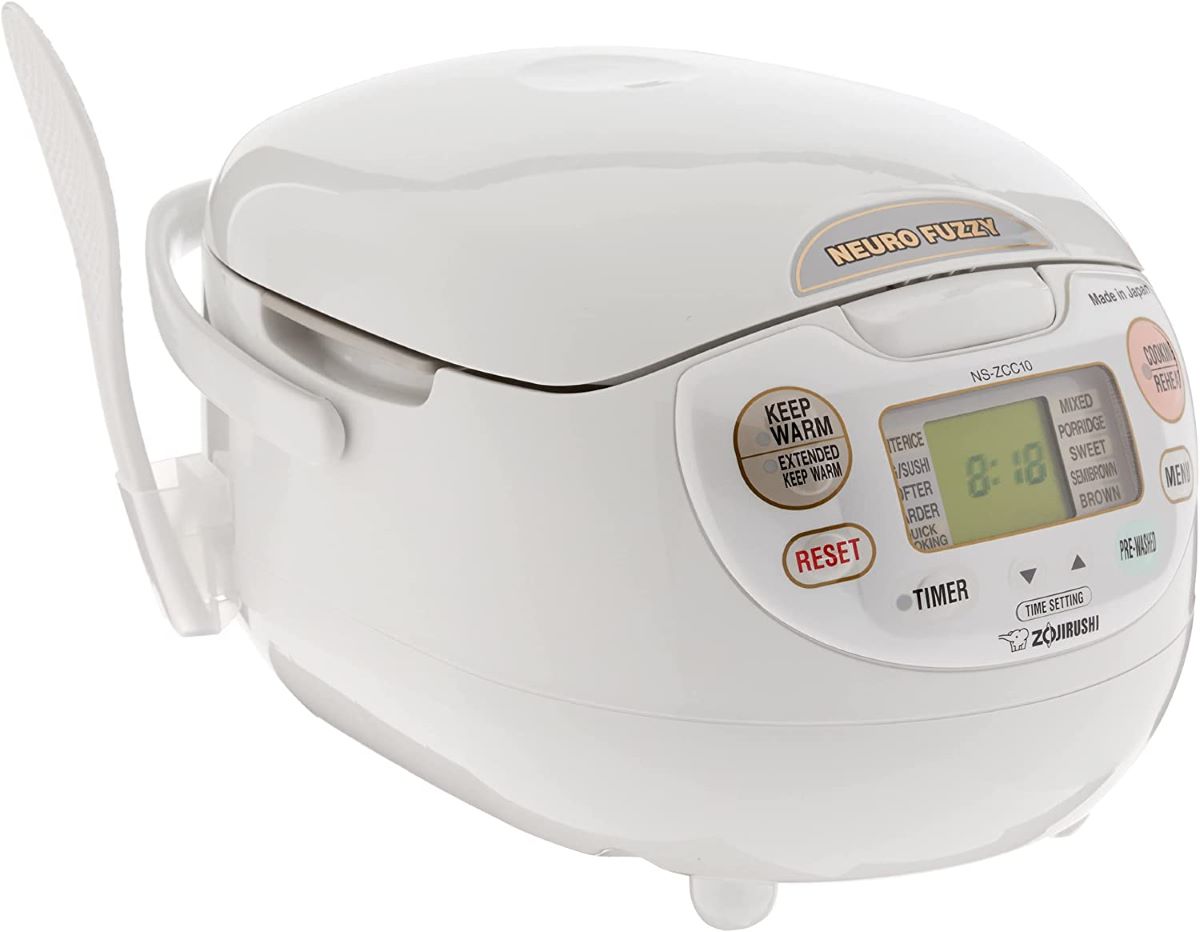
Zojirushi NS-ZCC10 Review: The Neuro Fuzzy Legend
The gold standard of fuzzy logic rice cookers. If your budget allows, this is the one to buy.
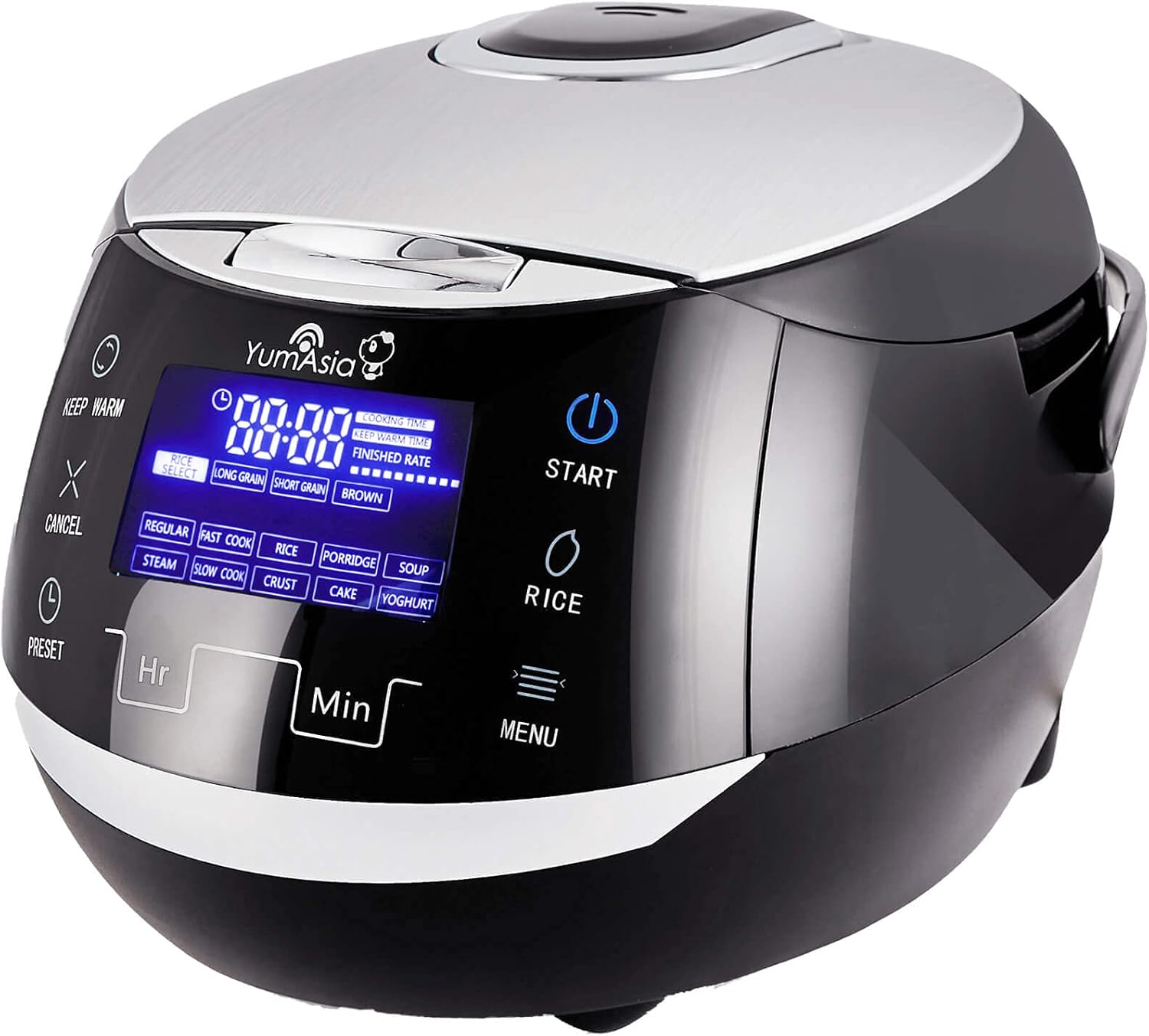
Best Rice Cooker for Sushi Rice - Top 4 Picks
For sushi rice, the Zojirushi NS-ZCC10 is the clear winner with its dedicated Sushi preset and Neuro Fuzzy logic. Budget buyers should consider the Aroma ARC-914SBD.
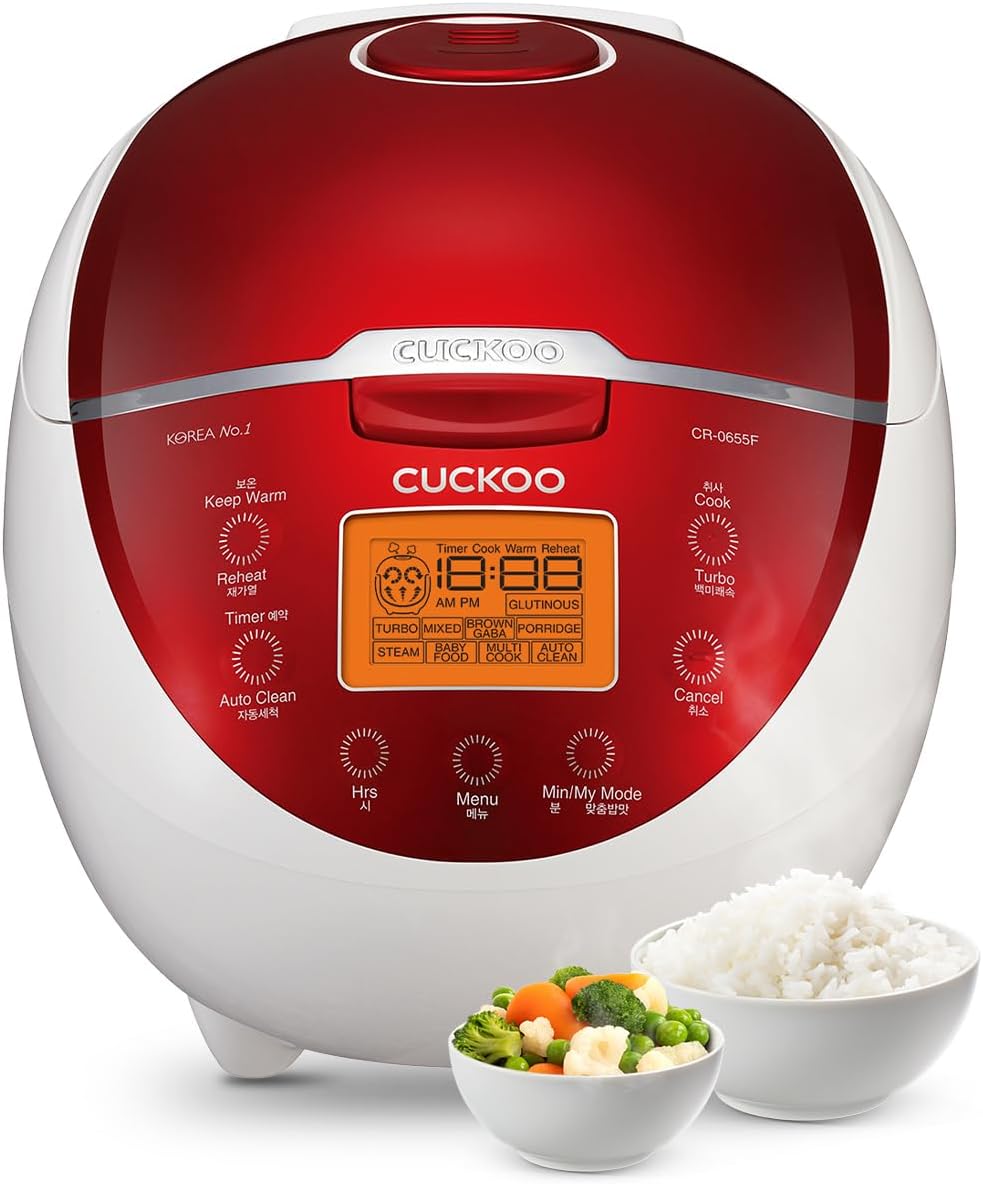
Cuckoo CR-0655F Review: The Budget Cuckoo That Surprises
Cuckoo America's 6-cup Micom: timer, turbo, GABA/brown, auto-clean, no pressure. Buy it when you want Cuckoo menus in a smaller pot. Do not buy it as a 'dumb digital' — and do not expect a Tacook tray.
Ready to Upgrade Your Rice Game?
The Various roundup is waiting for you. Perfect rice, every time.
Buy on Amazon 🍚 🛒