
Instant Pot Duo as a Rice Cooker: Honest Review
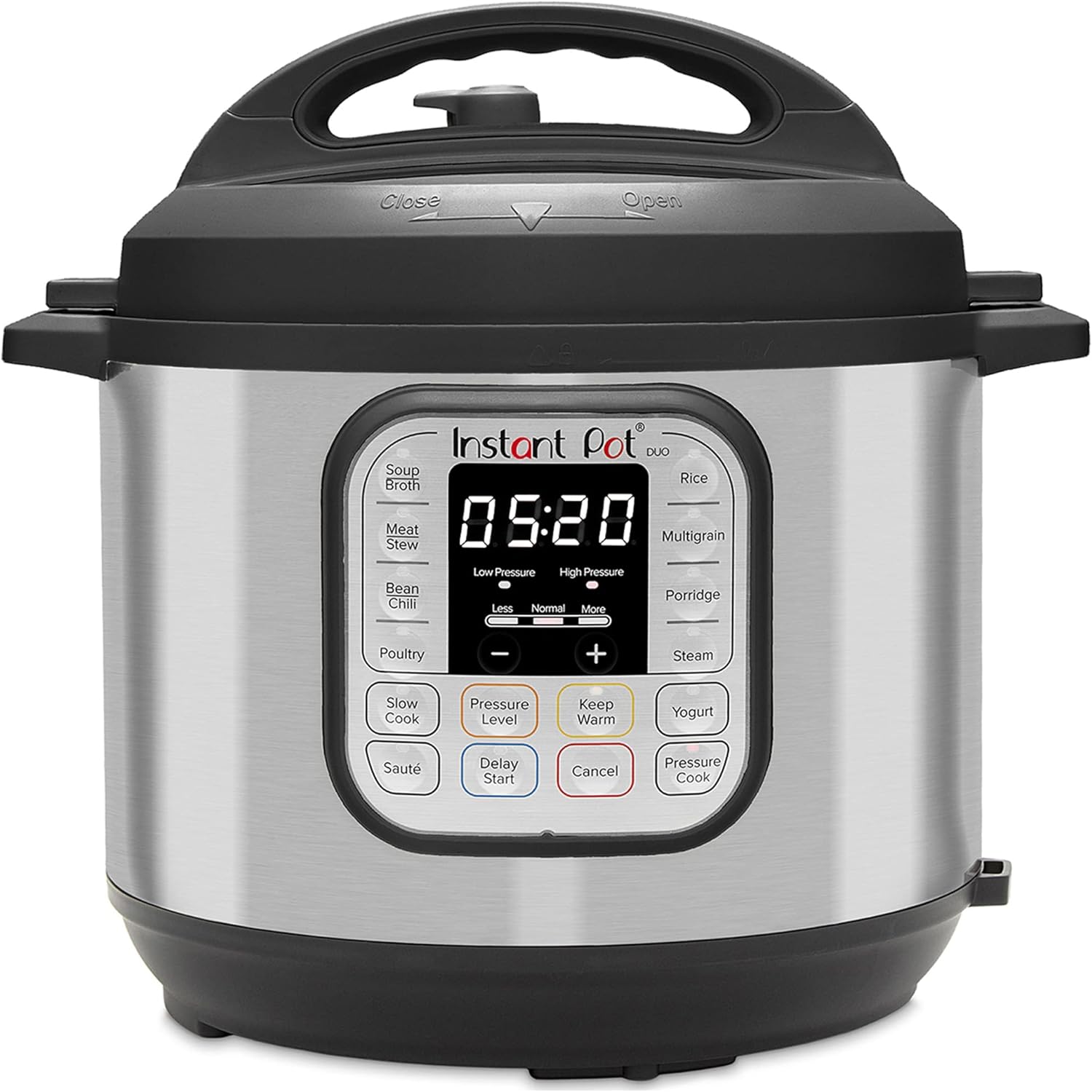
"The Instant Pot Duo cooks acceptable rice on a low-pressure Rice program. It is a 6-quart stainless multicooker, not a Micom. Buy the Duo for pressure cooking; keep a dedicated rice cooker if rice is the daily job. Do not swap this ASIN with the Zest."
This desk does not run a product test fleet. What follows is Instant’s Duo manual language, the B00FLYWNYQ listing, and owner-consensus research — not a keep-warm taste diary and not a gasket-swap log this desk ran.
ASIN B00FLYWNYQ is the Instant Pot Duo 6-quart 7-in-1. It is a pressure multicooker with a Rice program. It is not the Instant Pot Zest (ASIN B07V34TP9N), which is a dedicated rice cooker with a ceramic-coated pot and no pressure. A leftover checkout that pastes the Duo link onto a Zest sentence is the Duo/Zest ASIN-swap this site already corrected. Match the stamp.
The Duo is the best-selling kitchen appliance of the last decade. “Best-selling pressure cooker” and “best rice cooker” are still different claims.

What the Rice key actually is
Instant’s IP-DUO manual: the Rice key is a fully automated smart program for regular rice or parboiled rice. Default is low pressure. The cooker adjusts pressure-hold time by volume (the older US manual’s example: about 12 minutes hold for 2 cups, about 14 minutes for 3–5 cups). The display does not give you one honest “start-to-bowl” number, because preheat and release sit outside that hold.
Typical owner-reported wall-clock for a white-rice batch is still in the 25–35 minute band once you count come-up and a natural release — similar elapsed time to a dedicated cooker, with more steps.
| Instant language | What it means for rice |
|---|---|
| Rice | Automated low-pressure white / parboiled |
| Multigrain | The brown / wild / mixed lane on a Duo |
| Natural release | Instant’s later manuals ask for ~10 minutes NPR on white rice |
| Stainless insert | 18/8 pot, 3-ply base on this site’s Duo note — no rice-cooker PTFE film |
Do not dump a new how-to here. Ratios and release timing live on How to Cook Rice in an Instant Pot and the rice cooker vs Instant Pot guide.

Who the Duo beats — and who beats the Duo
| You cook… | This Duo | Skip it for… |
|---|---|---|
| Long-grain / basmati as a side | Owner consensus is “good enough” | — |
| Jasmine you care about | Acceptable; a Micom is more repeatable | Zojirushi NS-ZCC10 |
| Brown rice | Use Multigrain, not silent Rice | Pressure rice cooker (Cuckoo / NP-NWC) if brown is the point |
| Sushi / Japanese short-grain | Weak lane — wet, clumpy owner reports | Dedicated fuzzy-logic cooker |
| Huge batch, one pot already on the counter | 6-quart stainless | Zest if you wanted a rice cooker, not a pressure cooker |
| Zero-effort fill-to-the-line rice every night | No — you are still managing ratio + release | Aroma ARC-914SBD or a Micom |
Keep the Duo for rice if you already own one and you mostly cook long-grain. Do not buy a Duo as a rice cooker. The appliance you wanted was a rice cooker; Instant already sells that as the Zest, and this site already reviews Tiger / Zojirushi / Aroma for the rice job.
Duo vs Zest vs a real rice cooker
| Duo B00FLYWNYQ | Zest B07V34TP9N | Aroma ARC-914SBD | NS-ZCC10 | |
|---|---|---|---|---|
| What it is | 6-qt pressure multicooker | 20-cup-cooked rice cooker | 4-cup digital rice cooker | 5.5-cup Neuro Fuzzy |
| Pressure | Yes | No | No | No |
| Pot | Stainless | Ceramic-coated | Coated | Coated spherical |
| Rice control | Low-pressure Rice key | Five grain presets | White / Brown / Flash / Steam | Adaptive Micom |
| Why you pick it | You wanted an Instant Pot | Family rice without a second pressure lid | Cheapest timer digital | Texture is the product |
The Hamilton Beach 37518 is the other 20-cup-cooked digital if the Zest listing keeps sliding toward a Duo.
Keep-warm, gasket, noise — owner consensus
This desk has not held jasmine on Duo Warm for six hours. Owner reports in this class say dedicated rice-cooker Warm beats a pressure cooker used as a warmer: the Duo pot is steel, the heater is a pressure-cooker plate, and the bottom dries. Fridge leftovers; do not invent a food-safety miracle. Longer note: keep-warm safety.
The sealing ring holds last night’s chili. That is a gasket, not a rice-cooker steam cap. A second ring for rice is owner advice, not a lab finding.
Quick release on rice is the owner-report way to get wetter, blown-out grains. Instant’s own later manuals point at a short natural release for white rice. Treat that as the manual, not a decibel reading from this desk.
Who should use the Duo for rice
- People who already own a Duo and cook long-grain a few times a week
- Meal-prep batches that fit a 6-quart steel pot
- Anyone who values sauté-then-pressure more than fill-to-the-line rice
Skip the Duo-as-rice-cooker idea if you eat sushi rice, if you want a measuring-cup-and-line ritual, or if you do not otherwise want a pressure cooker. For a dedicated Instant Brands pot, read the Zest. For the first fuzzy-logic step-up, Tiger JBV. For Neuro Fuzzy, NS-ZCC10.
Final verdict
Editorial read, not a lab score: 3.5/5 as a rice cooker, which is the only score this page is for. The Duo is a strong pressure multicooker that happens to have a Rice key. That key is low-pressure white rice, not Micom. Owner consensus matches the spec: long-grain is fine, delicate short-grain is not why you bought a sealed lid.
Check the current Duo price on Amazon →
Related reviews
- Instant Pot Zest — dedicated rice cooker, ASIN B07V34TP9N only
- Zojirushi NS-ZCC10 — Neuro Fuzzy if rice is the job
- Aroma ARC-914SBD — cheapest digital rice cooker
- Aroma 6-cup — one-button cheaper rice pot
- Rice cooker vs Instant Pot
- How to cook rice in an Instant Pot
- Stainless-steel pot note
✅ Pros
- 7-in-1 pressure multicooker (pressure, sauté, slow cook, rice, steam, yogurt, warm)
- 6-quart stainless inner pot — no rice-cooker non-stick film
- Rice key is an automated low-pressure program for regular / parboiled white rice
- Batch size a 4-cup Aroma cannot match
- One appliance if you already wanted a pressure cooker
❌ Cons
- Not a dedicated rice cooker and not fuzzy logic
- Rice texture is less consistent than a Micom; sushi / Japanese short-grain is the weak lane
- Preheat + natural release add time the display does not show as a single "done in 12 minutes" number
- Gasket holds other-dinner smells
- Easy to grab the Zest listing by mistake
Frequently Asked Questions
Can I use the Instant Pot Duo rice button for all rice types?
Instant's Duo manual describes the Rice key as an automated program for regular or parboiled white rice, defaulting to low pressure. Brown and mixed grains are a Multigrain / Pressure Cook job, not a silent re-label of Rice. Sushi and Japanese short-grain are the lane dedicated cookers win.
Does the Instant Pot Duo make better rice than a $20 basic cooker?
Owner consensus is 'close enough on long-grain, not a reason to buy a Duo for rice alone.' A $25 Aroma lever cooker and the ARC-914SBD exist for rice. Buy the Duo because you want pressure cooking.
Is the Instant Pot Duo the same as the Instant Pot Zest?
No. Duo ASIN B00FLYWNYQ is a 6-quart stainless pressure multicooker. Zest ASIN B07V34TP9N is a 20-cup-cooked ceramic-coated rice cooker with no pressure. Do not swap those listings.
What water ratio does Instant publish for Duo rice?
Recent Duo manuals print a 1:1 rice-to-water starting point for white or brown and recommend a ~10-minute natural release for white rice. Variety, rinse, and pot size still move the result. This desk is not a ratio lab — see the Instant Pot rice how-to on this site.
🍚 You Might Also Like
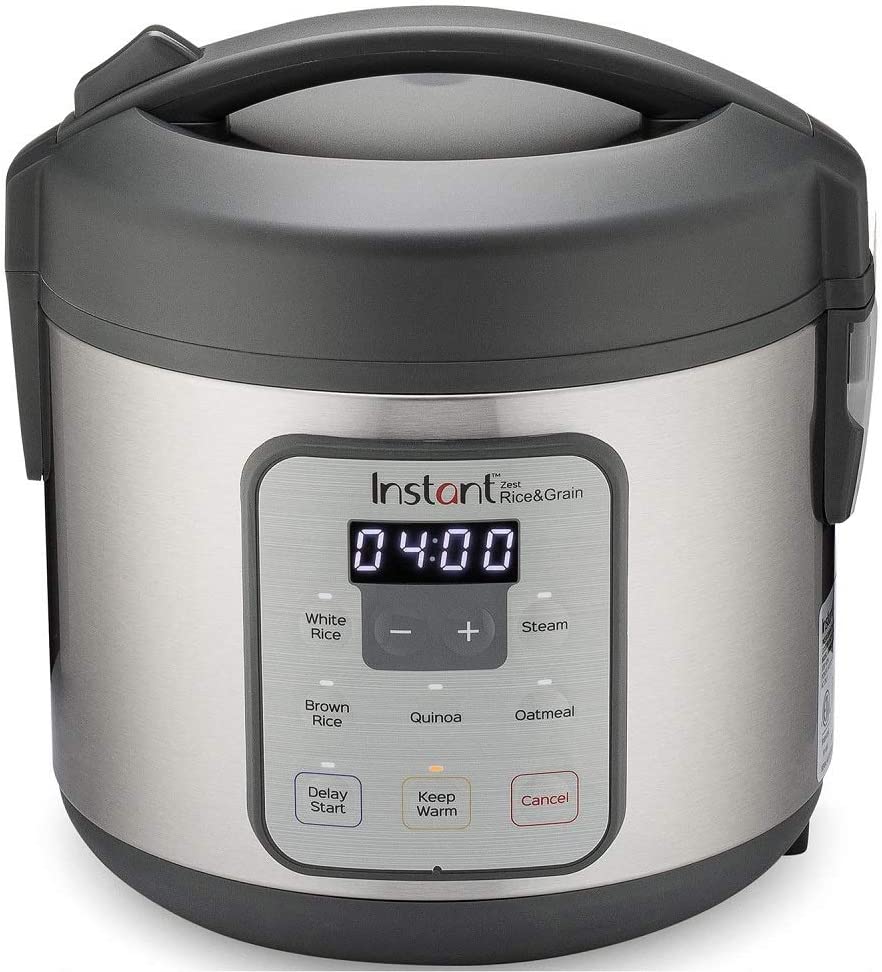
Instant Pot Zest Rice Cooker Review: A Versatile Giant
The Instant Pot Zest is a 20-cup-cooked digital rice cooker, not a pressure Duo. Buy it for family batches and named grain keys. Skip it if you wanted fuzzy logic, a Duo listing, or the Zest Plus 13-program board.
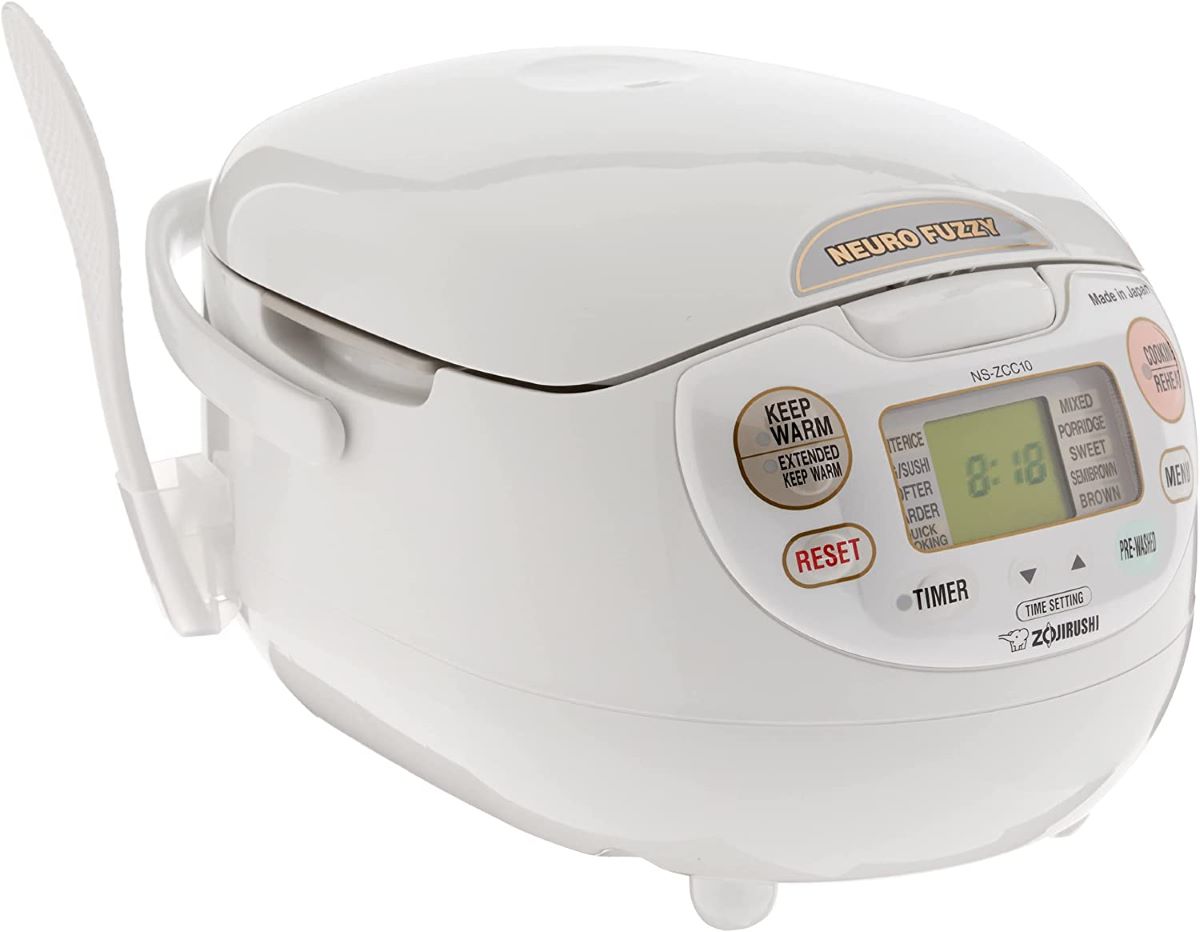
Zojirushi NS-ZCC10 Review: The Neuro Fuzzy Legend
The gold standard of fuzzy logic rice cookers. If your budget allows, this is the one to buy.
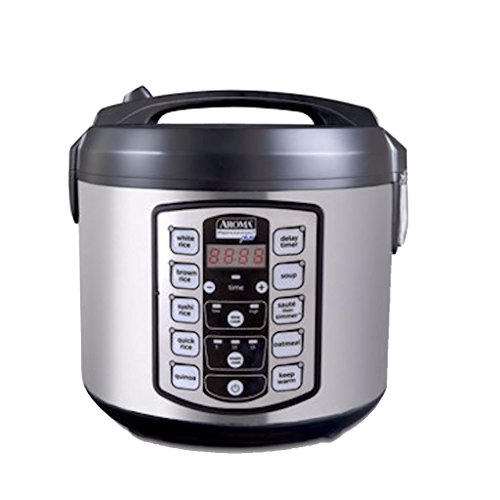
Aroma ARC-914SBD Review: The Budget King
The cheapest digital Aroma this desk still shortlists. Flash Rice and a 15-hour timer are the reasons to leave a one-button pot. It is not fuzzy logic, and it is not a stainless insert. Buy it for weeknight white rice; step up if you want the chip.
Ready to Upgrade Your Rice Game?
The Instant Pot Duo 7-in-1 is waiting for you. Perfect rice, every time.
Buy on Amazon 🍚 🛒